
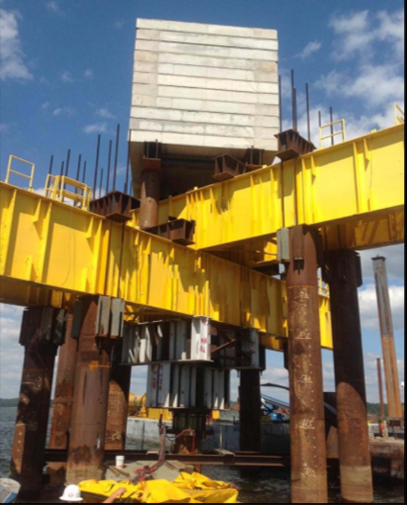
Engineers will evaluate how easily the piles can be installed into the ground (“drivability”) and how much weight and force they can safely support (“resistance”).
A constrictor plate is a steel component installed inside certain pipe piles to create an “artificial plug” near the bottom of the pile. The plate changes how the pile interacts with the surrounding soil, which is especially important in muddy areas like this location.
Some areas of soil need to be strengthened before they can support a bridge embankment and foundation. The test area allows engineers to try different approaches, measure the results, and confirm the best solution before moving into full construction.
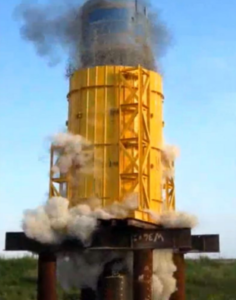 The piles will be tested in several ways to measure how they respond to different types of forces.
Static Testing: Applies force slowly and steadily to simulate the weight the bridge will place on the piles.
Dynamic Testing: Measures pile performance during installation and under short-duration impacts.
Pseudo-Static (Statnamic) Testing: Uses a rapid load to simulate large forces that occur over a short period of time without building a massive reaction structure. Some testing may produce loud noises that can be heard nearby.